Spring is Here!! But Close That Window if Your Child Has Allergies
The one springtime habit that’s making your child’s allergies worse (and what to do instead!)
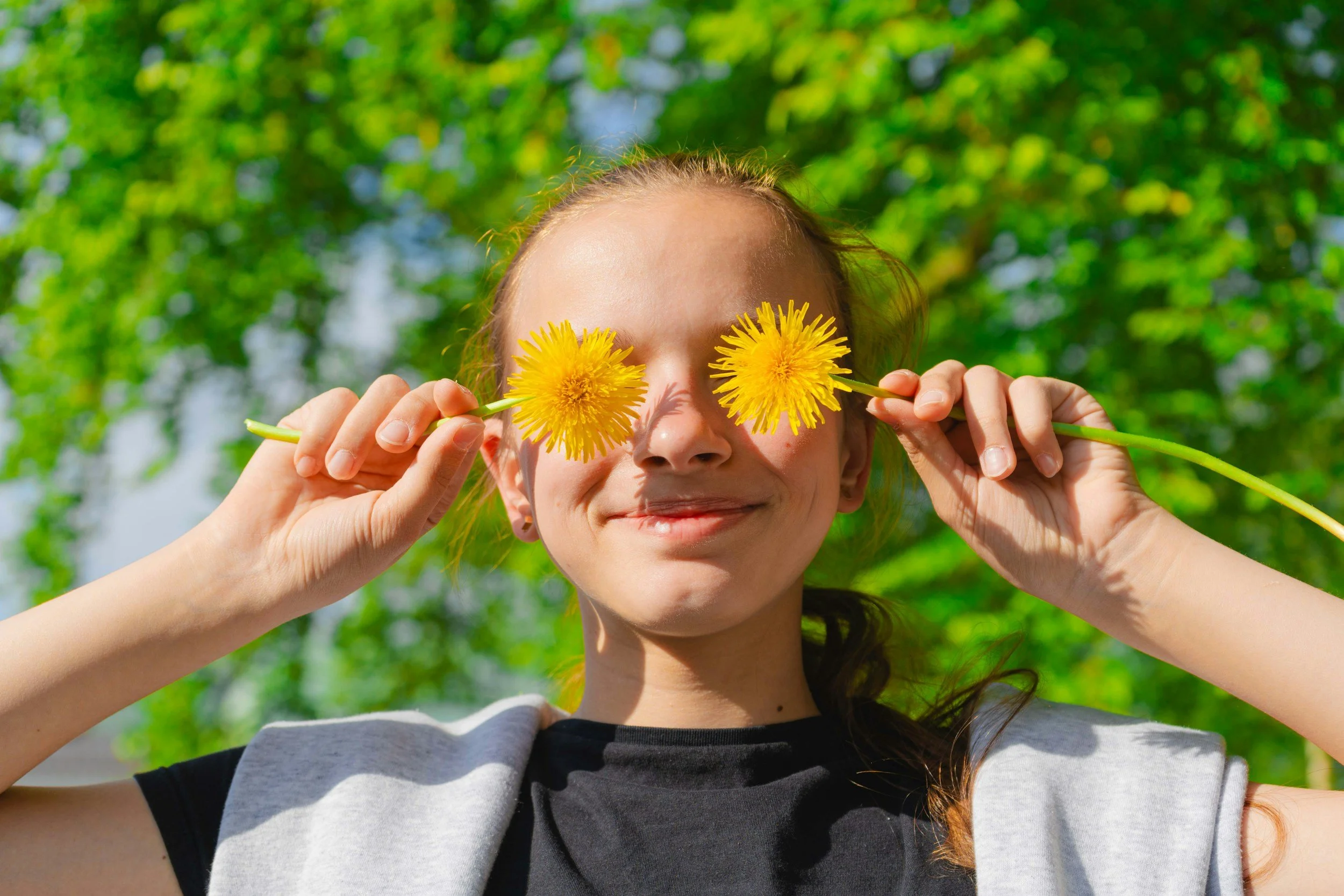
It finally happened. After what felt like approximately 47 years of winter, the sun is out, the birds are singing, and the temperatures are almost tolerable again. You throw open the windows, take a deep breath of that glorious fresh air, and think—this is the good stuff.
And then your child walks in…eyes watering, nose running, sneezing like they've inhaled an entire field of dandelions. Ugh!
Sound familiar?
Here's the thing: that beautiful fresh air you just let in might be the culprit. I know. It feels like a cruel joke. Spring finally arrives and we can't even enjoy it?! Bear with me— because once you understand what's actually happening, you'll be able to enjoy the season and keep your little allergy sufferer a whole lot more comfortable.
What's Actually in That "Fresh" Spring Air
When trees, grasses, and weeds start their spring comeback tour, they release pollen. And they release a lot of it. On high pollen days, the air is essentially a cloud of invisible irritants floating directly toward your child's eyes, nose, and airways.
When you open your windows—even for just an hour—that pollen drifts right inside and settles onto everything: furniture, bedding, carpet, drapery, and even stuffed animals. And unlike the outdoors where pollen disperses, inside your home it has nowhere to go. It just…lingers. All day. All night.
💡Fun Fact: Wind-carried tree pollen is so lightweight it can travel hundreds of miles from its source. So even if you don't have a single tree in your backyard, your child can still be reacting to pollen from trees miles and miles away. There is truly nowhere to hide!
So while you thought you were treating your family to some lovely fresh air, you were actually inviting pollen in for an extended stay. And like some houseguests, pollen does not know when it's time to leave.
The Sneaky Pollen Hours
Here's something most parents don't know: pollen counts are highest midday. Previously we thought it was between 5 a.m. and 10 a.m, but recent research suggested that it is higher midday. So that tempting habit of cracking the windows open midday when the sun is really shining? So sorry, but that’s a perfect opportunity for pollen to hitch a ride right into your home.
Pollen counts tend to be lower after rain (nature's rinse cycle!) and later in the evening. So if you absolutely cannot resist some fresh air (and honestly, I totally get it!) aim for late afternoon or after a good rain.
🩺 Pediatrician's Insight: Check your local pollen count before planning outdoor activities or deciding whether to open windows. The Weather Channel app and the Allergy Plus app from pollen.com both provide daily pollen counts by zip code. On high pollen days, keep windows closed and run the air conditioning instead. Your AC filters the air in a way that window screens simply can’t.
But We Need Fresh Air! What Are We Supposed to Do?
I hear you. I am not telling you to seal your family inside for the next three months. Here are some practical swaps that make a real difference:
Run your air conditioning instead of opening windows. AC circulates and filters your indoor air without letting pollen in. Bonus: it also filters out other indoor allergens like dust mites and mold spores.
Change your air filter regularly. This is the most underrated allergy tip out there. A HEPA filter in your HVAC system can trap pollen, dust, and pet dander before it circulates through your home. Check it monthly during allergy season.
Have your child shower and change clothes after outdoor play. Pollen clings to hair, skin, and clothing. A quick rinse before bed means your child isn't sleeping in a cloud of allergens all night (which is often why allergy symptoms are worst in the morning.)
Keep bedroom windows closed especially at night. Your child spends 10-12 hours in their bedroom. It is worth protecting that space.
💡Fun Fact: Pollen especially loves to cling to stuffed animals because of their fibrous texture. Once a week, wash those stuffies in hot water or throw them in the dryer.
The Bottom Line
Spring is beautiful and your family deserves to enjoy it, especially after a long, cold winter. But if you have a child with seasonal or environmental allergies, a few small changes can make an enormous difference in how they feel day to day. Keeping windows closed during high pollen times, showering after outdoor play, and running the AC instead of opening windows are simple, practical strategies that actually work.
And if you're still trying to figure out whether what your child has is actually allergies, what medications might help, or whether it's time to talk to an allergist, I've got you covered!
My brand new Seasonal & Environmental Allergies in Children Guide covers everything you need to know—from identifying triggers and recognizing symptoms, to navigating the pharmacy with confidence, understanding nasal sprays, antihistamines and allergy eye drops, and knowing when it might be time for allergy shots. It's 36 pages of clear, parent-friendly guidance written by a pediatrician who not only has been answering allergy questions for almost 20 years, but is also a fellow allergy sufferer.
Now go enjoy that spring sunshine! Just maybe keep the windows closed 😉
Wishing your family a sniffle-free spring 🌸💕